AI-generated narration of the LinkLens-written story only.
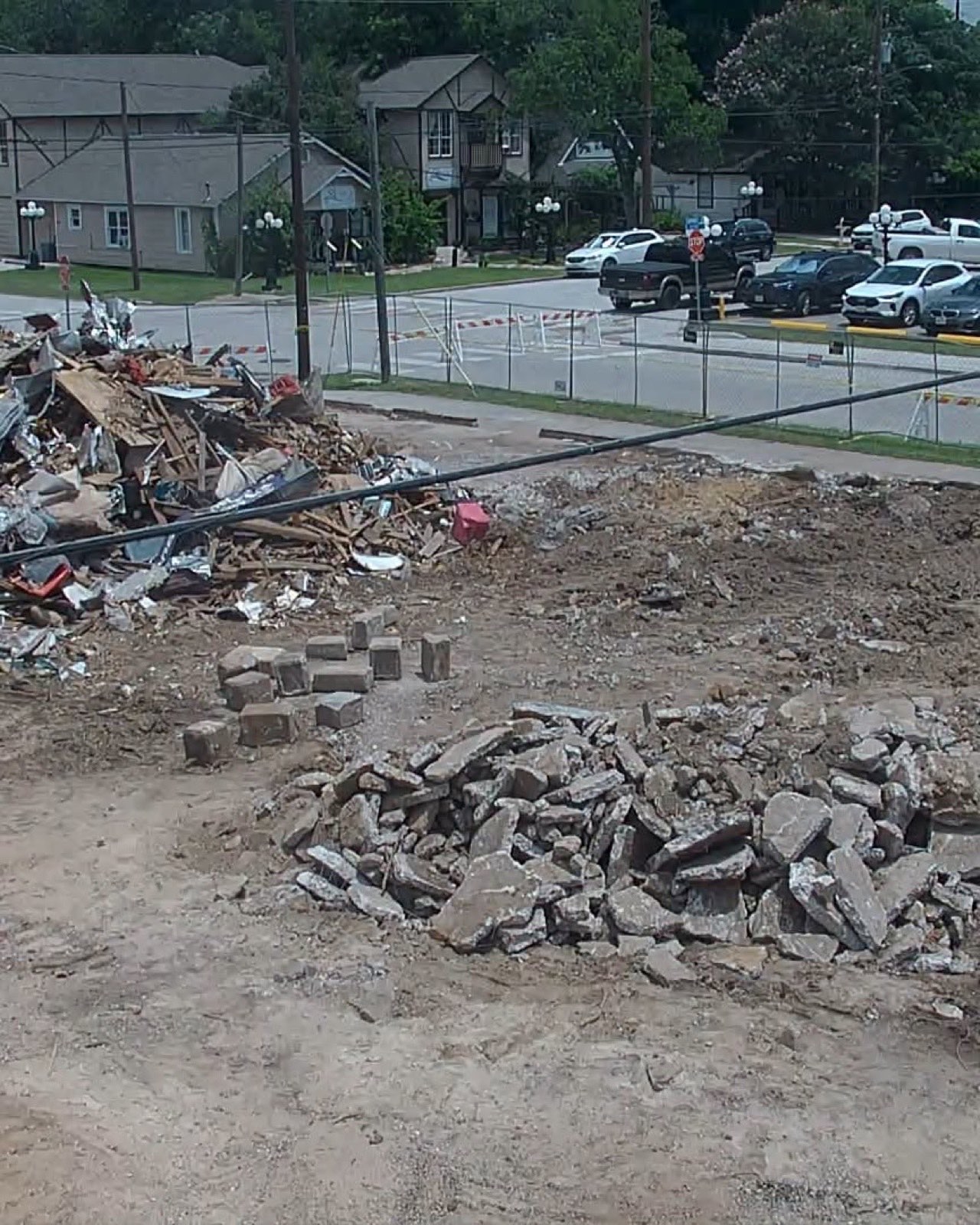
Headstones turned up at a demolished furniture store in a town once known for having no cemetery. At 110 N. Walnut Street in Tomball, crews found what appeared to be early-1900s grave markers, according to the Tomball Times. It was the sort of discovery that could make anyone wonder whether a forgotten burial ground lay beneath an ordinary storefront.
But the same report says an independent archaeological investigation, paid for by the property owner, found no evidence of a cemetery on the site. The likely explanation was more mundane and just as curious: rejected or discarded headstones had been reused as construction material. A marker found in a building, in other words, need not mean someone was buried there. Where did these particular stones originally come from?
AI-assisted discovery based on publicly available sources. Explore the original articles to learn more.
There is more web out there.
This discovery is worth exploring on its own. Browse another subject or let LinkLens choose your next stop.
Questions worth exploring next
The Explorer periodically checks related public sources. Research questions remain open; a connected discovery does not prove an answer.
- Where did the headstones originally come from? : Still exploring
- What evidence did the archaeological investigation examine? : Still exploring
Sign in or register to comment. Everyone can explore.
No comments yet. Be the first to connect an idea.
Contribute to this Discovery
Have a correction, source, question, or personal experience? Contributions stay attached to this discovery, and are reviewed before appearing publicly. They never become standalone posts or verified facts automatically.
Sign in to contribute to this discovery.
Talk about this discovery
Share a thought in the comments or send a more detailed contribution for review.