AI-generated narration of the LinkLens-written story only.
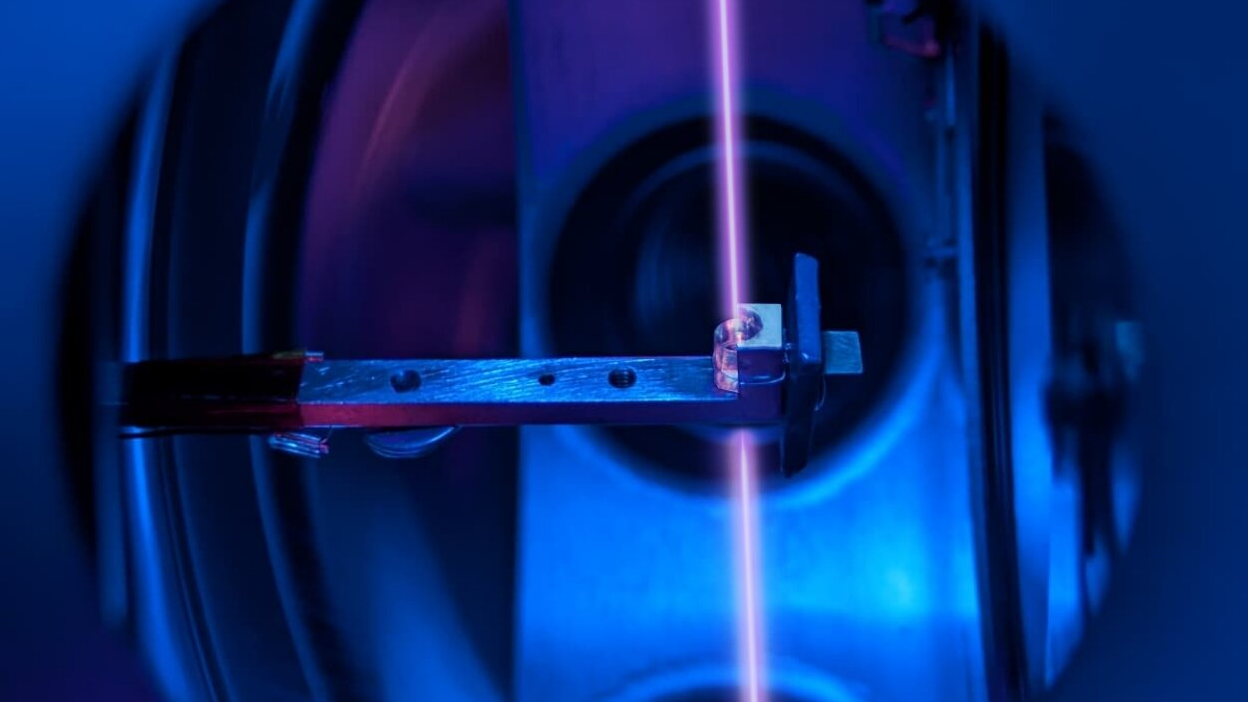
A fascinating aspect of thorium-based atomic clocks is their self-regulating mechanism enabled by the extremely narrow energy gap between two nuclear states in thorium. Unlike conventional atomic clocks that require constant external correction, this thorium nuclear clock uses a laser to excite a thorium crystal. If the laser frequency drifts, the absorption efficiency of the thorium nuclei changes, providing immediate feedback to adjust the laser frequency and restore stability. This clever feedback loop allows the clock to maintain remarkable accuracy without continuous outside intervention, something demonstrated in Vienna where the first stand-alone nuclear clock ran stable for over 24 hours.
This approach hinges on the laser’s very precise properties in synchronizing with the thorium nuclear transition, a feature still challenging to perfect. What remains unclear is how adaptable this self-regulating laser feedback system might be: could similar mechanisms enhance the performance and autonomy of other types of atomic clocks, or is this unique to thorium’s nuclear characteristics?
AI-assisted discovery based on publicly available sources. Explore the original articles to learn more.
Where this discovery leads.
Recorded connections to other published discoveries. Each path has its own reason.
Connections describe shared subjects or supporting links, not proof of cause and effect.
Other pages the Explorer consulted
Directly linked pages covering similar material. Their inclusion does not establish independent confirmation.
Questions worth exploring next
The Explorer periodically checks related public sources. Research questions remain open; a connected discovery does not prove an answer.
- How does the thorium nuclear transition narrow gap improve clock stability? : Still exploring
- What are the precise laser properties needed for thorium excitation? : Still exploring
- Can this self-regulation method be applied to other atomic clock types? : Still exploring
Sign in or register to comment. Everyone can explore.
No comments yet. Be the first to connect an idea.
Contribute to this Discovery
Have a correction, source, question, or personal experience? Contributions stay attached to this discovery, and are reviewed before appearing publicly. They never become standalone posts or verified facts automatically.
Sign in to contribute to this discovery.
Talk about this discovery
Share a thought in the comments or send a more detailed contribution for review.